
"Ecuador coffee exports"
500 article(s) found

Ecuador Hazenda Coffee Garden Flavor Description Region Treatment Variety Introduction
Ecuador Ecuador is home to the highest Arabica coffee plantations in the world. Arabica coffee trees were first introduced to Ecuador in 1952 and the quality of their coffee is excellent, especially when harvested in early June. Ecuadorian coffee beans can be divided into Galapagos (Galapagos) and Gigante (Gigante) two varieties, both have large particles, heavy portions, balanced acidity, aromatic

Nicaraguan Coffee Bean Flavor description _ Nicaraguan Coffee production Story _ Nicaraguan Coffee drinking method
Professional coffee knowledge exchange more coffee bean information please follow the coffee workshop (Wechat official account cafe_style) Ecuadorian coffee potential, the output of coffee with exotic flavor, quality is also recommended, but at present the biggest problem is production, Ecuador's annual coffee exports, only 100 containers (1 container = 40, 000 pounds) of washed Arabica coffee

A brief introduction to the description of the flavor, taste and aroma characteristics of fine coffee beans in Hassanda Coffee Manor
However, as the land suitable for Arabica coffee trees is decreasing, the production of Robbins coffee is gradually increasing. The best Arabica coffee comes from the Andes, especially the Chanchagu Valley (ChanchamgoValley). The Andes are divided into two mountains, extending from south to north to the Galapagos Islands in central Ecuador, located in the Pacific Ocean, off the coast of Ecuador.

A brief introduction to the treatment method of grinding degree and baking degree of fine coffee beans in Hasunda Coffee Manor
However, as the land suitable for Arabica coffee trees is decreasing, the production of Robbins coffee is gradually increasing. The best Arabica coffee comes from the Andes, especially the Chanchagu Valley (ChanchamgoValley). The Andes are divided into two mountains, extending from south to north to the Galapagos Islands in central Ecuador, located in the Pacific Ocean, off the coast of Ecuador.

A balanced and refreshing Hasenda Coffee Estate Boutique Coffee Bean Origin Development History Culture Introduction
Arabica coffee trees were first introduced to Ecuador in 1952, and their coffee quality is very good, especially when harvested in early June. Ecuadorian coffee beans can be divided into Galapagos (Galapagos) and Gigante (Gigante) two varieties, both have large particles, heavy portions of characteristics. Ecuadorian coffee can be divided into No.1 and ExtraSuperior according to quality.

Introduction to the taste and flavor of coffee varieties in Santa Cruz Manor, Ecuador
Ecuador is located in South America, the equatorial line runs through the country, so Ecuador is also known as the equatorial country. Ecuador's superior geographical location, fertile soil and special climatic conditions have created a superior natural environment for coffee cultivation in the country. Ecuador is one of the few countries in the world that can produce both Arabica and Robusta coffee beans. Speaking of Ecuador,

Is Ecuadorian Coffee good? Ecuador Fine Coffee Raw Bean Gold Cup Competition NO.1
Exchange of professional baristas Please follow the Coffee Workshop (Wechat official account cafe_style) Golden Cup Competition in Ecuador is called Taza Dorada, which means Golden Cup in Spanish, and is organized by organizations such as Anacafe and Ecuador Fine Coffee Association. Gold cup products produced by various small farmers, treatment plants and cooperatives in Ecuador

Introduction to the characteristics of Ecuadorian Coffee Flavor description and Grinding degree treatment
The Arabian Coffee Tree was first introduced to Ecuador (Ecuador) in 1952 and its coffee is of good quality, especially the coffee harvested in early June. Ecuadorian coffee beans can be divided into two varieties: Galapagos and Gigante, both of which have the characteristics of large granules and heavy weight. Ecuadorian coffee can be divided into first class (No.1) and super excellent (ExtraSuperior) according to its quality.

Arabica coffee at the highest altitude Ecuador boutique coffee beans
For the exchange of professional baristas, please follow the coffee workshop (Wechat official account cafe_style) Ecuador may be the highest Arabian coffee grower in the world. The Arabian Coffee Tree was first introduced to Ecuador (Ecuador) in 1952 and its coffee is of good quality, especially the coffee harvested in early June. Ecuadorian coffee beans can be divided into Galapagos and Segan.
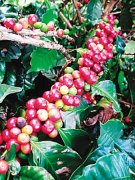
Ecuador may be the highest coffee grower in the world.
Ecuador may be the highest coffee grower in the world. The Arabian Coffee Tree was first introduced to Ecuador (Ecuador) in 1952 and its coffee is of good quality, especially the coffee harvested in early June. Ecuadorian coffee beans can be divided into two varieties: Galapagos and Gigante, both of which have the characteristics of large granules and heavy weight. Ecuadorian coffee

The Historical and Cultural changes of the Holy Fine Bean of Hasunda Manor in Ecuador
Professional coffee knowledge exchange more coffee bean information please follow the coffee workshop (Wechat official account cafe_style) Galapagos is rich in species, there are animals and plants in the cold and warm world, here is a natural paradise. The most famous animal is a prehistoric creature, the giant tortoise, also known as the Galapagos tortoise, one of the oldest animals in the world, which has lived here for millions of years.

Introduction to the characteristics of Santa Cruz Manor
Ecuador is one of the few countries in South America that produces both Arabica coffee and Robbins coffee. The best Ecuadorian coffee is grown on St. Cristobal Island in the Galapagos Islands, which has the unique natural geographical conditions for giving birth to the best quality coffee in the world. Although the island is at a low altitude, the climate of the area is specially affected by the ocean.

Moderate full-bodied Hazenda Coffee Estate Fine Coffee Bean Planting Location Climate Elevation Simple
There is a dock to the south, more than 900 meters long. In the harbor, ships from different parts of the world are moored, flying various flags. The port railway leads to Quito, the capital, and a series of highways connect Quito with other cities in the country. Bananas, cocoa, coffee, cotton and other products from all over the country are collected and distributed here. In the history of friendly exchanges between the peoples of China and Ecuador,

A brief introduction to the Market Price of Fine Coffee Bean varieties in moderately mellow Hasunda Coffee Manor
The main problem facing coffee producers is their efforts to maintain stable quality. The coffee here is generally well-balanced and refreshing, with a unique aroma. Ecuador is one of the few countries in South America that produces both Arabica coffee and Robbins coffee. However, as the land suitable for Arabica coffee trees is decreasing, the yield of Robbins coffee is gradually increasing.

The taste is clear and lingering. Santa Cruz Manor Coffee Flavor Taste Variety Introduction
The Andes Mountains, after entering Ecuador from Colombia, are divided into the Cordillera Mountains in the east and west. Between the two mountains is a plateau high in the north and low in the south, with an average altitude of 2500 meters to 3000 meters. The Andes run through the middle of the border. Ridges crisscross the plateau, dividing it into more than a dozen intermountain basins. The most important are the Quito basin and the Cuenca basin in the south. There are many volcanoes in the territory and frequent earthquakes.

Introduction to the characteristics of coffee flavor and taste manor of balanced and refreshing Hasunda Coffee Garden in Ecuador
The Ecuadorian national flag is rectangular, with a ratio of length to width at 2:1. The flag is made up of three rectangles connected by yellow, blue and red. Yellow occupies 1 quarter of the flag, while red and blue each account for 4. The national emblem is painted in the central government. Yellow symbolizes the wealth, sunshine and food of the country; blue symbolizes the blue sky, the sea and the magnificent Amazon; and red symbolizes the blood of patriots fighting for freedom and justice. Ecuador implements the president
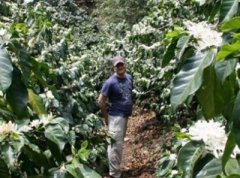
Introduction to the Origin of Fine Coffee-- the uniqueness of Ecuadorian Fine Coffee Ecuador
Probably the highest Arabica coffee grower in the world. The Arabian Coffee Tree was first introduced to Ecuador (Ecuador) in 1952 and its coffee is of good quality, especially the coffee harvested in early June. Ecuadorian coffee beans can be divided into two varieties: Galapagos and Gigante, both of which have the characteristics of large granules and heavy weight. Ecuadorian coffee can be made according to quality.

Introduction of Ecuador Galapagos Coffee Flavor Manor with unique flavor
Central mountain: after entering Ecuador from Colombia, the Andes is divided into the eastern and western Cordillera mountains, with a plateau high in the north and low in the south, averaging between 2500 and 3000 meters above sea level. The Andes run through the middle of the border. The ridges crisscross, dividing the plateau into more than ten intermountain basins. The most important are the Quito basin and the Cuenca basin in the south. Volcanic crowds in the territory

A brief introduction to the Origin, Development, History and Culture of Fine Coffee beans in the fragrant Hassanda Coffee Manor
The Galapagos Islands are located in the Pacific Ocean, about 1,000 kilometers off the coast of Ecuador. The archipelago consists of 13 major islands and small islands as well as reefs covering 8000 square kilometers and is one of the noblest national parks in the world. 97% of the territory belongs to Galapagos National Park, a protected area. The United Nations Educational, Scientific and Cultural Organization has declared this place a natural heritage of the world.

Balanced and refreshing Hasenda Coffee Estate Fine Coffee Bean Planting Location Climate Elevation Simple
These islands are volcanic formations formed by lava eruptions. Even now, volcanic eruptions continue to shape the geography of the archipelago. The Galapagos Islands are the product of one of the greatest volcanic activity in the world. The climate here is largely influenced by ocean currents, including the Humboldt cold and El Nino warm currents. Galapagos is rich in species, flora and fauna of the warm and cold world